| Show Full Syllabus | |||||||||||||||||||||||||||||||||||||||||||||||||||||||||||||||||||||||||||||||||||||||||||||||||||||||||||||||||||||||||||||||||||||||||||||||||
Unit 1: Culinary Foundations Level 1 OverviewView Tasks
End of Unit 1
Unit 2: Knives, Knife Cuts & Knife SharpeningView Tasks
End of Unit 2
Unit 3: Food & Kitchen SafetyView Tasks
End of Unit 3
Unit 4: Dry-Heat Cooking MethodsView Tasks
End of Unit 4
Unit 5: Moist-Heat Cooking MethodsView Tasks
End of Unit 5
Unit 6: How to Make StockView Tasks
End of Unit 6
Unit 7: SeasoningView Tasks
End of Unit 7
Unit 8: PlatingView Tasks
End of Unit 8
Unit 9: Nutrition in The KitchenView Tasks
End of Unit 9
Unit 10: Culinary Foundations Level 1 AssessmentView Tasks
End of Unit 10
|
Course DescriptionRouxbe Culinary School is the world’s leading online culinary school for aspiring cooks, culinary students, those already working in the food and culinary industry or for anyone who seeks an intensive immersion in culinary skill and knowledge development. This Culinary Foundations Level 1 course focuses on foundational and fundamental skills development and reinforcement; universal and widely adopted methods and techniques of cooking as well as recipes and activities that reinforce the same principles taught in professional culinary schools around the world. This course is covers key knowledge and technique development in: kitchen and food safety, knife skills, stocks, moist- and dry-heat cooking methods, plating and presentation, and culinary nutrition. This course is complemented by _Culinary Foundations Level 2_, a larger complementary course that provides additional instruction in preparing specific types of foods: salads, vegetables, soups, sauces, meat, poultry, fish, breads, pastries and foods for special diets. The course contains various types of learning activities to engage and guide participants through a learning path: pre and post quizzes, flash cards, live graded assessments, Rouxbe-graded assessments and other supportive activities. Course Highlights
Course Objectives
|
||||||||||||||||||||||||||||||||||||||||||||||||||||||||||||||||||||||||||||||||||||||||||||||||||||||||||||||||||||||||||||||||||||||||||||||||
Rouxbe Culinary School is the world’s leading online culinary school for aspiring cooks, culinary students, those already working in the food and culinary industry or for anyone who seeks an intensive immersion in culinary skill and knowledge development.
This Culinary Foundations Level 1 course focuses on foundational and fundamental skills development and reinforcement; universal and widely adopted methods and techniques of cooking as well as recipes and activities that reinforce the same principles taught in professional culinary schools around the world.
This course is covers key knowledge and technique development in: kitchen and food safety, knife skills, stocks, moist- and dry-heat cooking methods, plating and presentation, and culinary nutrition. This course is complemented by _Culinary Foundations Level 2_, a larger complementary course that provides additional instruction in preparing specific types of foods: salads, vegetables, soups, sauces, meat, poultry, fish, breads, pastries and foods for special diets.
The course contains various types of learning activities to engage and guide participants through a learning path: pre and post quizzes, flash cards, live graded assessments, Rouxbe-graded assessments and other supportive activities.
| Show Full Syllabus | |||||||||||||||||||||||||||||||||||||||||||||||||||||||||||||||||||||||||||||||||||||||||||||||||||||||||||||||||||||||||||||||||||||||||||||||||||||||||||||||||||||||||||||||||||||||||||||||||||||||||||||||||||
Unit 1: Culinary Foundations Level 2 OverviewView Tasks
Unit 2: Salads & VinaigrettesView Tasks
End of Unit 2
Unit 3: VegetablesView Tasks
End of Unit 3
Unit 4: EggsView Tasks
End of Unit 4
Unit 5: SoupsView Tasks
End of Unit 5
Unit 6: SaucesView Tasks
End of Unit 6
Unit 7: Rice & GrainsView Tasks
End of Unit 7
Unit 8: LegumesView Tasks
End of Unit 8
Unit 9: PastaView Tasks
End of Unit 9
Unit 10: MeatView Tasks
End of Unit 10
Unit 11: PoultryView Tasks
End of Unit 11
Unit 12: FishView Tasks
End of Unit 12
Unit 13: Baking Basics & BreadsView Tasks
End of Unit 13
Unit 14: Pastry BasicsView Tasks
End of Unit 14
Unit 15: ChocolateView Tasks
End of Unit 15
Unit 16: Cooking Foundations 2 AssessmentView Tasks
|
Course DescriptionCourse Highlights
Course Objectives
|
||||||||||||||||||||||||||||||||||||||||||||||||||||||||||||||||||||||||||||||||||||||||||||||||||||||||||||||||||||||||||||||||||||||||||||||||||||||||||||||||||||||||||||||||||||||||||||||||||||||||||||||||||
| Show Full Syllabus | |||||||||||||||||||||||||||||||||||||||||||||||||||||
Unit 1: Orientation & Course OverviewView Tasks
End of Unit 1
Unit 2: Daily Meal InspirationView Tasks
End of Unit 2
Unit 3: Plant-Based Alternatives to Meat, Eggs & DairyView Tasks
End of Unit 3
Unit 4: Global Plant-Based SaucesView Tasks
End of Unit 4
Unit 5: FermentationView Tasks
End of Unit 5
Unit 6: Final AssessmentView Tasks
|
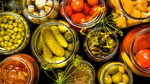
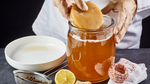
Course DescriptionThis course offers foundational instruction in plant-based culinary arts. With a focus on the application of core techniques in the plant-based kitchen, the experience will allow you to explore and practice a variety of recipes and flavors. You will learn how to adapt familiar foods, such as stocks, sauces, dressings, dairy, and meats, and make them plant-based. You will learn about methods, substitutions, and products to help you make these adaptations. You will learn about popular topics like alternative proteins such as tofu, tempeh, and seitan, and dairy alternatives such as nut milk and cheeses. This curriculum also covers all the basics of fermentation. Course Highlights
Course Objectives
|
||||||||||||||||||||||||||||||||||||||||||||||||||||
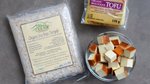
This course offers foundational instruction in plant-based culinary arts. With a focus on the application of core techniques in the plant-based kitchen, the experience will allow you to explore and practice a variety of recipes and flavors. You will learn how to adapt familiar foods, such as stocks, sauces, dressings, dairy, and meats, and make them plant-based. You will learn about methods, substitutions, and products to help you make these adaptations. You will learn about popular topics like alternative proteins such as tofu, tempeh, and seitan, and dairy alternatives such as nut milk and cheeses. This curriculum also covers all the basics of fermentation.
| Show Full Syllabus | |||||||||||||||||||||||||||||||||||||||||||
Unit 1: Orientation & Course OverviewView Tasks
End of Unit 1
Unit 2: Why Sustainable Seafood MattersView Tasks
End of Unit 2
Unit 3: Seafood Basics: Understanding Seafood Culinary CategoriesView Tasks
End of Unit 3
Unit 4: Seafood Handling & Fabrication SkillsView Tasks
End of Unit 4
Unit 5: Seafood Cooking TechniquesView Tasks
End of Unit 5
Unit 6: Course Assessment & Resource LibraryView Tasks
End of Unit 6
|
Course DescriptionUnderstanding how to source, prepare, cook, and serve seafood is a skill set called seafood literacy – having the confidence and competence to take full advantage of all the unique qualities that fish, shellfish, and sea greens have to offer – is a fundamental skill required for success in modern kitchens. Working to attain a high level of seafood literacy makes you more valuable as a cook and gives you the opportunity to be a leader in your kitchen. Chef Barton Seaver partnered with Rouxbe to develop Seafood Literacy as a guide that swims you through a process of understanding seafood in all its forms. We focus that learning on how most seafood can generally be separated into categories based on its culinary personality. Breaking down seafood into culinary categories enables a cook to apply a set of general strategies about each category to dozens of specific products within that category. Culinary techniques specific to seafood cooking, such as steaming, grilling, broiling, and raw applications are explored and discussed. Course Highlights
Course Objectives
|
||||||||||||||||||||||||||||||||||||||||||
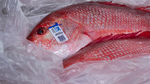
Understanding how to source, prepare, cook, and serve seafood is a skill set called seafood literacy – having the confidence and competence to take full advantage of all the unique qualities that fish, shellfish, and sea greens have to offer – is a fundamental skill required for success in modern kitchens. Working to attain a high level of seafood literacy makes you more valuable as a cook and gives you the opportunity to be a leader in your kitchen.
Chef Barton Seaver partnered with Rouxbe to develop Seafood Literacy as a guide that swims you through a process of understanding seafood in all its forms. We focus that learning on how most seafood can generally be separated into categories based on its culinary personality. Breaking down seafood into culinary categories enables a cook to apply a set of general strategies about each category to dozens of specific products within that category. Culinary techniques specific to seafood cooking, such as steaming, grilling, broiling, and raw applications are explored and discussed.
| Show Full Syllabus | |||||||||||||||||||||||||||||||||||||||||||||||||||
Unit 1: Orientation & Course OverviewView Tasks
End of Unit 1
Unit 2: Food Waste OverviewView Tasks
End of Unit 2
Unit 3: Intro to Food SafetyView Tasks
End of Unit 3
Unit 4: Technical ApproachesView Tasks
End of Unit 4
Unit 5: Gastronomic ApproachesView Tasks
End of Unit 5
Unit 6: Food ProcessingView Tasks
End of Unit 6
Unit 7: Course Assessment & Resource LibraryView Tasks
End of Unit 7
|
Course DescriptionTo combat this startling and untenable trend in food waste, the James Beard Foundation is focused on supporting an industry-wide change in the way our nation’s restaurants value and respect our food resources. Waste Not provides technical and creative approaches to food waste, and examines the need to reduce food loss along the entire supply chain. Course Highlights
Course Objectives
|
||||||||||||||||||||||||||||||||||||||||||||||||||
To combat this startling and untenable trend in food waste, the James Beard Foundation is focused on supporting an industry-wide change in the way our nation’s restaurants value and respect our food resources. Waste Not provides technical and creative approaches to food waste, and examines the need to reduce food loss along the entire supply chain.
| Show Full Syllabus | |||||||||||||||||||||
Unit 1: Introduction to Safe Food HandlerView Tasks
Unit 2: WFSO Safe Food HandlerView Tasks
End of Unit 2
Unit 3: Safe Food Handler Review & ExamView Tasks
End of Unit 3
|
Course DescriptionThe WFSO Safe Food Handler course is an introduction to handling and preparing food safely. The certificate from successfully completing this course is required to work in foodservice establishments in the US. This 2-hour, self paced course will result in a certificate demonstrating the knowledge needed to be a Safe Food Handler. In accordance to the USA-FDA Food Code 2022, this course and certificate will provide “Documentation that FOOD EMPLOYEES acknowledge that they have received training in…Proper safe food handling procedures including personal hygiene.” The course is designed for anyone interested in working in the foodservice industry or currently working that requires documentation of training. If you have questions about this process, please contact your supervising chef at the worksite or school. Course Highlights
Course Objectives |
||||||||||||||||||||
The WFSO Safe Food Handler course is an introduction to handling and preparing food safely. The certificate from successfully completing this course is required to work in foodservice establishments in the US.
This 2-hour, self paced course will result in a certificate demonstrating the knowledge needed to be a Safe Food Handler. In accordance to the USA-FDA Food Code 2022, this course and certificate will provide “Documentation that FOOD EMPLOYEES acknowledge that they have received training in…Proper safe food handling procedures including personal hygiene.”
The course is designed for anyone interested in working in the foodservice industry or currently working that requires documentation of training. If you have questions about this process, please contact your supervising chef at the worksite or school.